
Trends shaping the future of casino design
Emphasis on Sustainability
As the world becomes increasingly aware of environmental issues, casinos are embracing sustainability as a core component of their design. This shift involves using eco-friendly materials and construction techniques, as well as implementing energy-efficient systems. For example, many casinos are now opting for solar panels and water conservation systems to minimize their carbon footprint. By prioritizing sustainability, these establishments not only enhance their appeal but also contribute positively to the community and environment.
Incorporating green spaces within the casino’s architecture is another emerging trend. Designers are integrating living walls, indoor gardens, and outdoor spaces, which create a more inviting atmosphere for guests. This trend acknowledges the growing preference for environments that promote wellness and relaxation. Additionally, biophilic design—where natural elements are incorporated into the built environment—can enhance the gaming experience, making it more enjoyable for patrons.
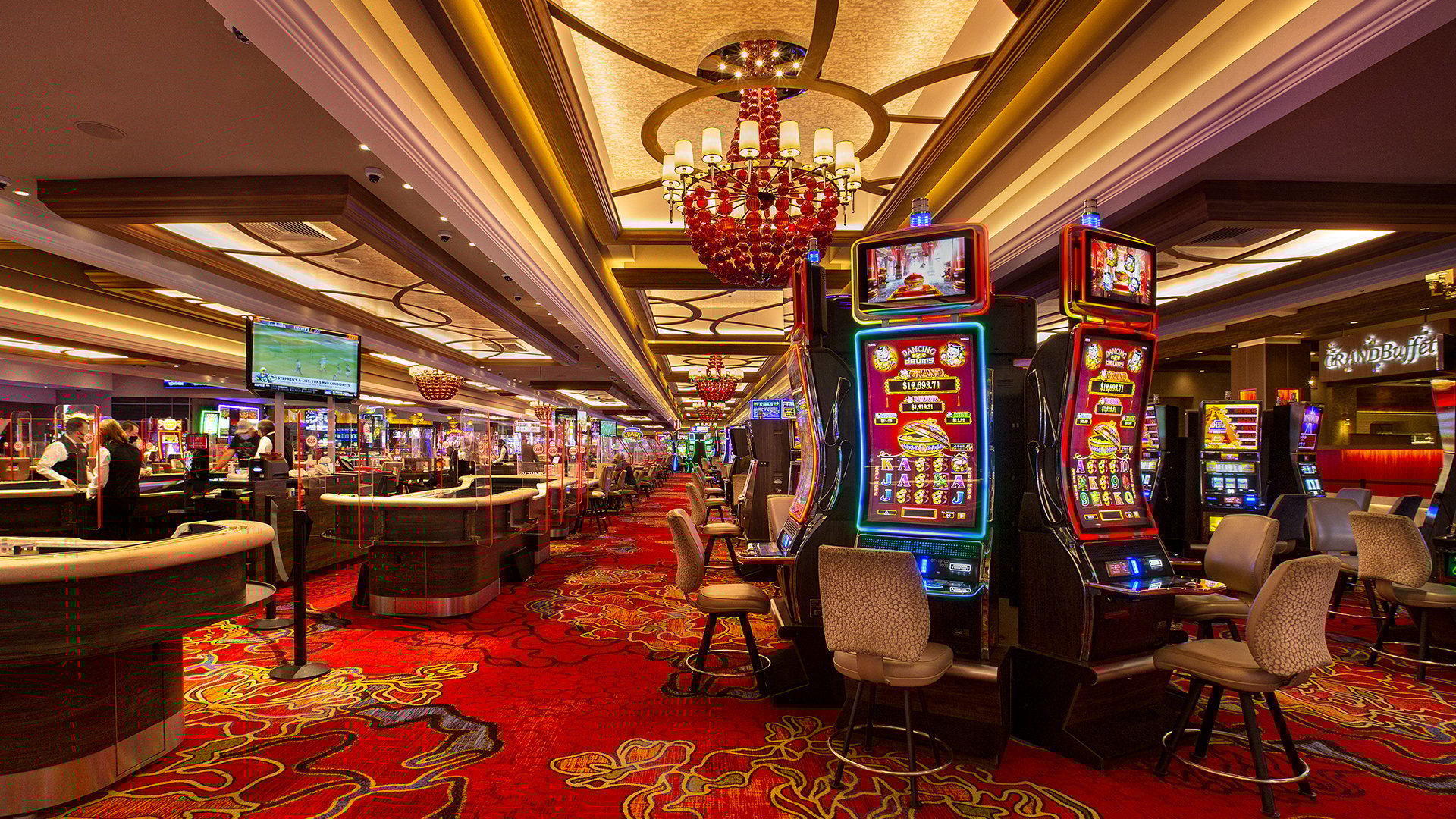
Another aspect of sustainable casino design is the careful selection of materials that are durable and require less maintenance. By utilizing materials that are recycled or sustainably sourced, casinos not only appeal to eco-conscious players but also reduce their long-term operational costs. This holistic approach to design underscores the industry’s commitment to future-proofing its establishments while catering to the evolving preferences of today’s consumers.
Integration of Technology
Technology is undeniably transforming the landscape of casino design, ushering in an era where innovation and entertainment converge. The advent of smart technology is allowing casinos to offer personalized experiences tailored to individual players. For instance, the integration of mobile apps enables customers to manage their accounts, receive personalized offers, and even order food and beverages from their gaming tables. This seamless connection enhances the overall experience and encourages longer visits.
Moreover, the introduction of augmented reality (AR) and virtual reality (VR) is revolutionizing how patrons interact with games and each other. These technologies can create immersive gaming experiences that take the traditional concept of gambling to new heights. For example, a VR poker room allows players to engage in realistic scenarios with others from around the world. Such technological advancements not only enhance user engagement but also attract a younger demographic to casinos.
Casinos are also using data analytics to improve their design and functionality. By analyzing player behavior, casinos can optimize game layouts and amenities, ensuring that they provide the most popular games in easily accessible locations. This data-driven approach not only enhances operational efficiency but also significantly improves customer satisfaction, leading to increased loyalty and repeat visits.
Enhanced Focus on Experience
The future of casino design is shifting towards creating holistic experiences rather than merely offering gambling services. Casinos are now incorporating diverse entertainment options, such as live shows, art exhibitions, and gourmet dining. This trend acknowledges that players are looking for more than just games; they seek an immersive experience that engages multiple senses. By curating a rich entertainment environment, casinos can draw in a wider audience and encourage longer stays.
Furthermore, the atmosphere within the casino is becoming a critical factor in design. Features such as ambient lighting, soundscapes, and interactive art installations contribute to a more engaging environment. Casinos are increasingly focusing on aesthetics that evoke emotions and enhance the gaming experience. For instance, using soothing colors and dynamic art can create a more inviting atmosphere, encouraging guests to linger and explore.
Another aspect of the experiential focus is the creation of themed environments that resonate with visitors. Some casinos are designing spaces that reflect local culture or history, providing guests with a sense of connection to the community. This not only enhances the overall experience but also positions the casino as a cultural hub, attracting tourists and locals alike. This trend underscores a broader move within the industry towards creating memorable experiences that extend beyond the gaming floor.
Flexible and Adaptive Spaces
In an era marked by rapid changes in consumer preferences, flexibility in design is becoming paramount for casinos. This trend involves creating adaptable spaces that can easily transition between various functions. For instance, a gaming area can be transformed into a live concert venue, allowing for diverse entertainment offerings. This versatility not only maximizes the use of space but also enables casinos to stay relevant in a fast-evolving entertainment landscape.
Additionally, the design of these flexible spaces often incorporates modular furniture and movable partitions. This adaptability allows casinos to customize layouts based on specific events or peak periods. By accommodating different types of gatherings, whether they be gaming tournaments, corporate events, or social functions, casinos can diversify their revenue streams and enhance customer satisfaction.
Finally, the incorporation of open spaces can foster a sense of community within casinos. By designing areas where patrons can congregate, socialize, and interact, casinos can create a vibrant atmosphere that enhances guest engagement. This communal approach not only strengthens the overall experience but also encourages repeat visits, as customers are drawn to the lively social environment.
Casoola Casino: Leading the Way
Casino exemplifies many of these emerging trends in its design and operational philosophy. As a premier online gaming platform, it prioritizes user experience through a seamless interface that incorporates cutting-edge technology. The site offers a diverse array of over 11,000 games, catering to various player preferences and ensuring that everyone finds something enjoyable.
Furthermore, emphasizes responsible gambling and player well-being by providing resources and tools that help maintain a safe gaming environment. This commitment to player safety is a crucial aspect of the modern casino landscape, aligning with the broader industry trend towards prioritizing customer welfare. New players can also benefit from a generous welcome bonus, enhancing their initial experience on the platform.
In conclusion, as trends shape the future of casino design, establishments like Casino are at the forefront, adapting to meet the needs of contemporary gamers. With a focus on sustainability, technology, enhanced experiences, and flexible designs, the future looks promising for the casino industry. These innovations not only elevate the gaming experience but also ensure that casinos remain relevant in a rapidly changing entertainment environment.